
Pool Heating Options: Extending Your Swimming Season

A heated pool transforms your backyard investment from a seasonal amenity into a year-round retreat. The right heating system extends your swimming season by months, increases your pool's usability, and significantly enhances your return on investment. Understanding the available heating technologies helps you choose the system that best matches your climate, budget, and usage patterns.

Understanding Pool Heating Basics
Pool heating systems work by transferring energy to your pool water to maintain comfortable temperatures regardless of ambient conditions. The ideal pool temperature for most activities ranges from 78-82°F, though personal preferences and specific uses may require different settings.
Heat loss occurs through evaporation, radiation, and conduction with surrounding surfaces. Effective heating systems must overcome these losses while maintaining consistent temperatures efficiently. Understanding heat loss patterns helps optimize system selection and operation.
Pool size, surface area, and desired temperature differential all impact heating requirements. Larger pools and greater temperature differences require more heating capacity, affecting both equipment selection and operating costs.
Gas Heating Systems
Natural gas and propane heaters provide rapid heating capabilities and reliable performance regardless of weather conditions. These systems excel for pools that require quick temperature increases or inconsistent heating schedules.
Gas heaters heat water as it circulates through the system, providing immediate results when turned on. This makes them ideal for pools used sporadically or when quick temperature increases are needed for special occasions.
Operating costs vary based on local gas prices and usage patterns. While gas systems may have higher operating costs than other options, their reliability and rapid heating capabilities often justify the expense for many homeowners.
Modern gas heaters offer improved efficiency ratings and electronic controls that optimize performance while reducing fuel consumption. High-efficiency models can achieve efficiency ratings above 90%, significantly reducing operating costs compared to older systems.
Heat Pump Technology
Heat pumps extract energy from ambient air to heat pool water, providing excellent efficiency in moderate climates. These systems work most effectively when air temperatures remain above 50°F, making them ideal for warmer regions and extended shoulder seasons.
The coefficient of performance (COP) measures heat pump efficiency, with quality units achieving COP ratings of 5-7, meaning they produce 5-7 units of heat energy for every unit of electricity consumed.
Heat pumps provide consistent, economical heating for pools used regularly throughout extended seasons. While heating rates are slower than gas systems, the operating cost savings often make them the most economical choice for frequent users.
Variable-speed heat pumps adjust their operation based on heating demand, further improving efficiency and reducing noise levels. These advanced systems provide optimal comfort while minimizing energy consumption.
Solar Heating Solutions
Solar pool heating systems harness free energy from the sun to maintain comfortable water temperatures. These systems provide the lowest operating costs but require adequate sun exposure and proper system sizing to be effective.
Solar collectors can be mounted on roofs, ground-mounted racks, or integrated into landscape features. The collector area typically needs to equal 75-100% of your pool surface area for optimal performance in most climates.
Automatic controls optimize solar system operation by directing water through collectors when beneficial heating is available and bypassing them when not needed. These systems maximize efficiency while preventing heat loss during cooler periods.
Solar systems work exceptionally well in combination with other heating technologies, providing primary heating during sunny periods while backup systems handle cloudy days or extreme temperature requirements.

Electric Resistance Heating
Electric resistance heaters provide reliable heating in areas where gas is unavailable or impractical. These systems offer precise temperature control and minimal maintenance requirements, though operating costs can be significant in areas with expensive electricity.
Electric heaters work well for smaller pools, spas, or as backup systems for primary heating equipment. Their compact size and simple installation make them practical solutions for specific applications.
Energy efficiency improvements in electric heating include heat exchangers designed for maximum heat transfer and controls that optimize operation based on demand and electricity rates.
Hybrid Heating Systems
Combining multiple heating technologies provides optimal performance across varying conditions while managing operating costs effectively. Common combinations include heat pumps with gas backup or solar with auxiliary heating systems.
Hybrid systems automatically select the most efficient heating source based on conditions, demand, and operating costs. Advanced controls optimize system operation to minimize energy consumption while maintaining desired temperatures.
The investment in hybrid systems often pays back through reduced operating costs and extended equipment life, as no single system operates under extreme conditions continuously.
System Sizing and Selection
Proper heating system sizing ensures adequate performance while avoiding oversized equipment that increases costs and reduces efficiency. Professional heat load calculations consider pool size, location, desired temperature, and usage patterns.
Climate considerations significantly impact heating system selection and sizing. Colder climates may require larger systems or hybrid approaches to maintain comfortable temperatures throughout desired usage periods.
Usage patterns affect system selection, with frequent users benefiting from efficient systems like heat pumps, while occasional users might prefer the rapid heating capabilities of gas systems.
Installation and Integration Considerations
Heating system installation requires integration with existing pool equipment, electrical systems, and gas lines where applicable. Professional installation ensures optimal performance and safety compliance.
Equipment placement affects both performance and aesthetics, with considerations for noise levels, service access, and visual impact on outdoor spaces. Proper planning integrates heating equipment seamlessly into overall pool designs.
Automation integration allows heating systems to work with pool controllers, smartphone apps, and home automation systems for optimal convenience and efficiency.
Operating Cost Analysis
Understanding operating costs helps select systems that provide the best long-term value for your specific situation. Costs vary based on local utility rates, climate conditions, and usage patterns.
Seasonal cost variations affect annual operating expenses, with heating costs typically highest during shoulder seasons when ambient temperatures are coolest relative to desired pool temperatures.
Efficiency ratings and proper system sizing directly impact operating costs, making quality equipment and professional installation important investments for long-term savings.
Maintenance and Longevity
Regular maintenance ensures optimal performance and extends equipment life regardless of heating technology selected. Different systems have varying maintenance requirements and schedules.
Professional service programs provide regular inspections, cleaning, and adjustments that maintain peak efficiency while identifying potential issues before they become costly repairs.
Component replacement schedules vary by system type, with proper maintenance extending intervals and reducing unexpected failures that disrupt pool enjoyment.
Environmental Considerations
Heating system environmental impact varies significantly between technologies, with solar systems providing the lowest carbon footprint and electric systems varying based on local power generation methods.
Energy efficiency improvements reduce environmental impact while lowering operating costs, making high-efficiency systems beneficial for both environmental and economic reasons.
Future Technology Trends
Advancing heating technologies continue improving efficiency while reducing costs and environmental impact. Heat pump technology improvements and smart controls provide better performance with easier operation.
Integration with renewable energy systems and battery storage creates opportunities for even more sustainable pool heating solutions that reduce reliance on grid electricity during peak demand periods.
Making the Right Choice for Your Pool
Selecting the optimal heating system requires balancing initial investment, operating costs, performance requirements, and environmental considerations. Professional guidance ensures you choose systems that provide the best long-term value for your specific situation.
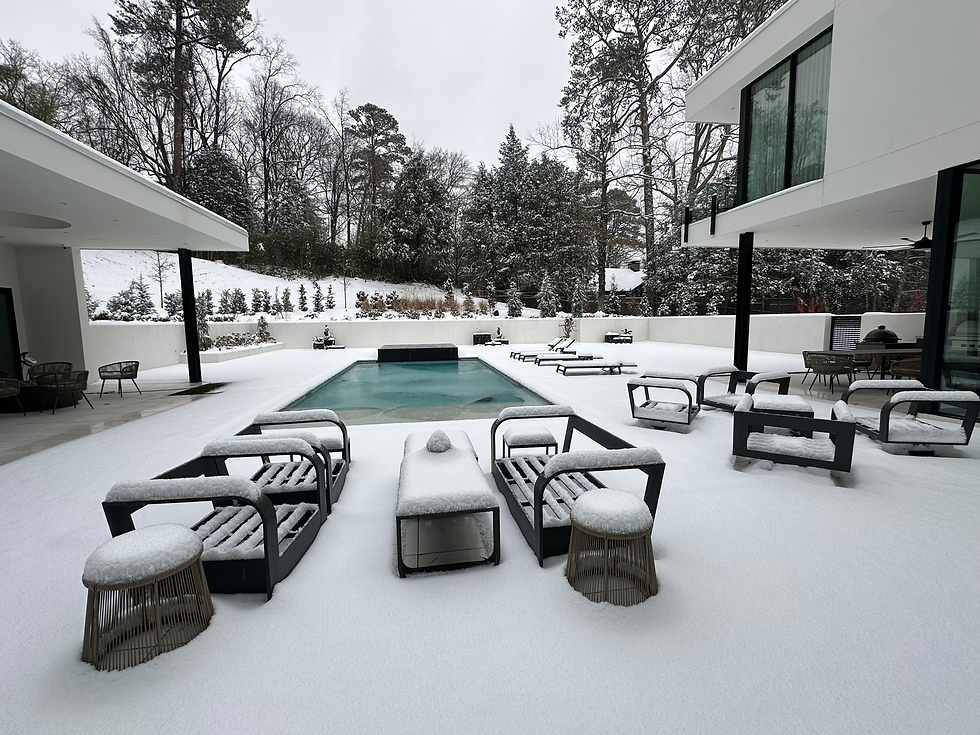
Expert Heating System Design and Installation
Choosing the right pool heating system requires careful analysis of your climate, usage patterns, and long-term goals to ensure optimal performance and value.
At Cosmic Design Studio, we specialize in designing heating solutions that extend your swimming season while managing operating costs effectively. Our experience with all heating technologies allows us to recommend systems that provide the best performance for your specific situation and budget. We handle everything from system selection and sizing to professional installation and integration with your existing pool equipment.
Ready to extend your swimming season and maximize your pool investment? Schedule a consultation with our heating specialists to explore which heating solution will provide the best comfort, efficiency, and value for your pool.

Comments